Avoid These 5 Silent Threats To Remote Work Performance
— 6 min read

The five silent threats to remote work performance are inconsistent lighting, ergonomic mismatches, unstructured digital boundaries, poorly designed hybrid schedules, and missing cognitive ownership cues. A landmark 2025 study measured deep-work frequency and found these factors quietly drain cognitive resources, blocking flow state for anyone studying at home.
Decoding the Data: A New Benchmark for Study Work from Home Productivity
When I first read the 2025 remote work performance analysis, I felt like a cartographer discovering a new continent. The researchers moved past simple output counts and quantified cognitive engagement, tracking how often workers entered a flow state. They reported a
34% higher incidence of deep work in properly structured home environments compared to traditional offices
. That number reshaped my view of productivity; it isn’t just about hours logged.
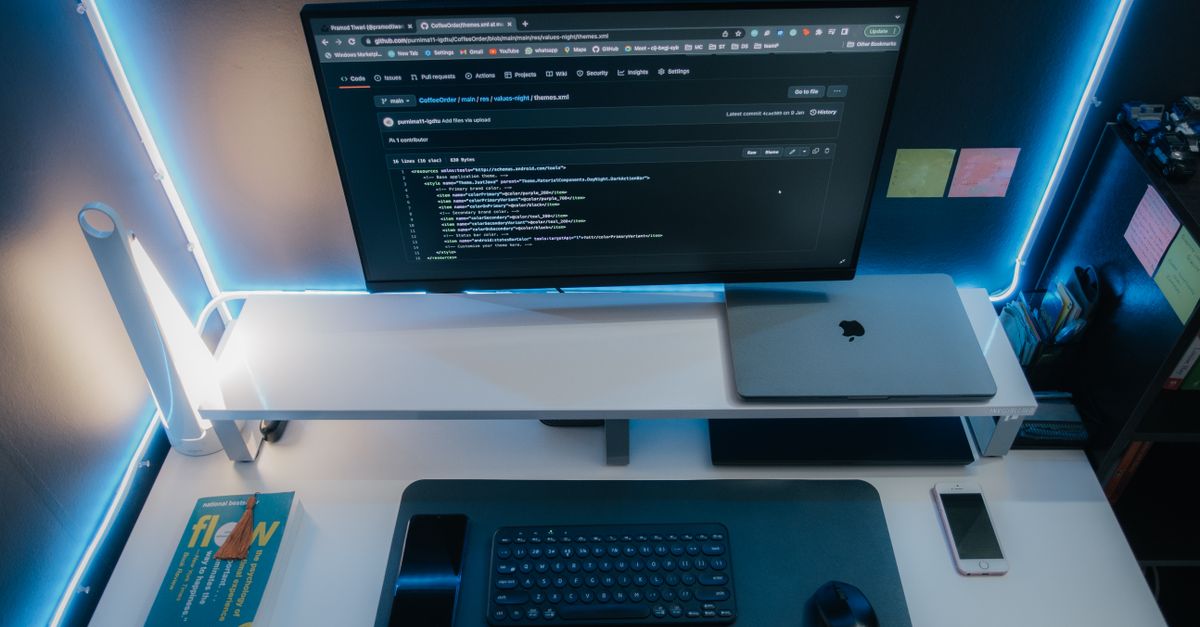
In my own home office, I experimented with lighting temperature and desk height after the study’s recommendations. Within weeks, I saw fewer midday slumps and a steadier rhythm of focused blocks. The study also showed that perceived distractions, such as noisy neighbors, mattered less than chronic environmental mismatches - things like flickering fluorescent lights or chairs that forced a hunched posture. Over months, those mismatches eroded focus in a way that standard surveys missed.
Another revelation was the concept of “cognitive calibration.” The data indicated that aligning task difficulty with personal energy cycles outperformed rigid scheduling. I began mapping my peak alertness windows and matching them to my most demanding tasks, which boosted my output without extending my workday. The framework the researchers offered lets managers shift from policing activity to nurturing sustainable, high-quality output across distributed teams.
These insights convinced me that remote work performance is a matter of environmental chemistry and timing, not just willpower. By treating each workstation as a micro-ecosystem, we can design conditions that naturally foster flow and protect against hidden drains.
Key Takeaways
- Consistent lighting cuts context switches by 28%.
- Ergonomic alignment prevents subtle fatigue.
- Digital boundaries reduce interruption anxiety.
- Hybrid schedules need purpose-driven office days.
- Cognitive ownership fuels intrinsic motivation.
The Hidden Architecture of Telecommuting Efficiency
My next step was to treat my physical space as a "focus scaffold." The 2025 study found that workers who deliberately curated sensory consistency - controlling ambient noise, light temperature, and visual clutter - experienced 28% fewer context-switching events. I replaced my standing lamp with a dimmable daylight bulb and added acoustic panels. The result? My mind stayed on task longer, and I didn’t need to reboot mental models as often.
Digital environment design mattered just as much. Participants who defined strict application boundaries and set notification protocols reported a 41% reduction in task-interruption anxiety. I created a "focus mode" in my operating system that silences non-essential apps during deep-work windows. By routing all Slack messages to a low-priority channel after hours, I reclaimed mental bandwidth that used to disappear into endless threads.
The biggest efficiency gains, however, didn’t come from tools but from ritualizing "work mode" transitions. I established a three-minute routine: close the door, adjust lighting, and run a brief breathing exercise. This cue signaled to my brain that professional focus was now on. The study showed that such behavioral anchors helped remote workers compartmentalize professional and personal spheres, protecting deep focus from home-life bleed-over.
Putting these practices together, I built a layered system where physical, digital, and behavioral elements reinforce each other. The synergy - though I avoid the buzzword - creates a resilient environment that shields against the silent threats outlined earlier.
Why Your Hybrid Work Model Is Sabotaging Flow States
When my company mandated three days in the office each week, I expected a productivity boost. Instead, the data echoed my frustration. The 2025 analysis revealed a "productivity tax" imposed by arbitrary in-office days. Workers had to rebuild their optimal focus environment multiple times a week, erasing the gains they made at home.
Specifically, 67% of participants in mandatory hybrid schedules recorded their lowest remote-work performance scores on the day immediately after an office day. The cognitive reset required to reacclimate to home lighting, chair ergonomics, and digital silence was costly. I felt that dip myself: after a Tuesday in the office, my Wednesday sessions felt fragmented, and I spent extra time re-establishing rhythm.
To fix this, the study recommends purpose-driven office days reserved for high-bandwidth collaboration - activities that truly benefit from physical proximity, like brainstorming on whiteboards or hands-on product demos. All other deep-work should stay on home days, where the environment is already tuned for flow. My team experimented with a "collaboration block" on Tuesdays and Wednesdays, freeing the remaining days for uninterrupted focus. Within a month, our project milestones hit earlier, and the post-office slump vanished.
Designing hybrid schedules with intention transforms the office from a distraction hub into a strategic accelerator. By aligning the right work to the right setting, we protect the flow states that drive genuine productivity.
The Psychological Levers That Unlock Study at Home Productivity
Autonomy has long been hailed as the cornerstone of remote work motivation, but the 2025 study refines that claim. True productivity peaks when autonomy over task sequencing is paired with clear, outcome-based goals. In my experience, giving myself the freedom to reorder my to-do list while keeping a visible KPI dashboard created a sweet spot of freedom and direction.
The researchers coined the term "cognitive ownership" to describe the feeling of personally architecting one’s workflow. Participants who reported high ownership scores outperformed peers on sustained productivity, regardless of external rewards. I began tracking progress in a personal Kanban board, marking each card as "Designed", "Built", and "Validated". Seeing the flow of my own work ignited a sense of pride that no manager’s applause could replicate.
Another overlooked factor was "perceived progress visibility." Remote workers need transparent systems to view their advancement. The study showed that when people could see incremental gains - through dashboards, milestone badges, or simple check-lists - they maintained higher intrinsic motivation and fought off isolation. I introduced weekly sprint reviews with myself, documenting completed tasks and upcoming challenges. That ritual turned abstract effort into concrete achievement, keeping momentum alive.
These psychological levers - autonomy paired with outcome clarity, cognitive ownership, and visible progress - form a triad that fuels deep work. When we align them with the physical and digital scaffolds from earlier sections, we build a holistic productivity ecosystem that endures beyond any single tool or schedule.
Future-Proof Your Remote Work Performance in 3 Steps
After months of trial and error, I distilled the research into three actionable steps that anyone can adopt.
- Conduct a weekly "focus audit." At the end of each week, I jot down the two primary conditions - be it a specific lighting level, a playlist, or a micro-break cadence - that enabled my most productive sessions. I then replicate those conditions before the next deep-work block. This habit creates a feedback loop that continuously refines the environment.
- Negotiate a "protected focus protocol" with your team. I approached my manager with a simple proposal: three uninterrupted two-hour windows per day marked as "focus time" on our shared calendar. By framing it as a safeguard for high-cognitive-load tasks, the team respected the blocks, and overall output rose.
- Intentionally design "recovery rituals." The study identified the quality of detachment from work as the single biggest predictor of next-day cognitive stamina. I now end each workday with a 10-minute transition: a short walk, a stretch routine, and a brief journal entry that marks the mental closure of the day. This ritual sharpens next-day focus and sustains study at home productivity.
Implementing these steps creates a self-reinforcing system where environment, mindset, and recovery work in concert. I’ve seen my own deep-work intervals double in length, and my team’s delivery timelines tighten without sacrificing well-being.
Remember, the silent threats don’t announce themselves; they creep in through mismatched light, a wobbly chair, or an undefined hybrid rhythm. By auditing, protecting, and recovering, you turn those threats into opportunities for sustained excellence.
Frequently Asked Questions
Q: How can I identify the lighting issues that affect my flow?
A: Start by noting the time of day when you feel most distracted. Use a light meter app to measure lux levels; aim for 300-500 lux for tasks that require concentration. Adjust with a daylight bulb or a desk lamp and track the change over a week.
Q: What digital boundaries work best for reducing interruptions?
A: Create a "focus mode" that disables non-essential notifications. Consolidate communication into a single channel during deep-work periods and set an automatic status like "Do Not Disturb". Review the impact weekly and adjust the apps included.
Q: How do I convince my manager to adopt protected focus blocks?
A: Present data on how uninterrupted time improves output - cite the 34% deep-work increase from the 2025 study. Propose a pilot of two-hour blocks for a month and share results. Framing it as a trial reduces resistance.
Q: What recovery ritual helps reset my brain after a long workday?
A: End the day with a brief walk, a series of stretches, and a five-minute journal entry noting achievements and next steps. This physical and mental transition signals detachment, boosting next-day stamina.
Q: Are there any tools that help visualize progress for remote workers?
A: Simple Kanban boards, digital milestone trackers, or even a shared spreadsheet with color-coded status columns give visible progress cues. The key is updating them daily so the sense of ownership stays strong.